Many homeowners undertake home renovations expecting higher property value, yet results vary widely. UK housing market conditions, buyer expectations, renovation quality, and compliance standards ultimately decide whether upgrades deliver meaningful financial returns.
How Home Renovations Affect Property Value
Well-planned home renovations increase property value when they enhance usability, efficiency, and long-term reliability. UK buyers prioritise practical layouts, compliant upgrades, and documented improvements over decorative changes that offer limited lasting benefit.
Renovation projects that exceed local pricing limits risk overcapitalisation. Even excellent workmanship struggles to raise resale value if surrounding properties do not justify higher valuations during lender assessments.
Renovations That Commonly Increase Property Value
Certain renovation types consistently outperform others because they solve space constraints, improve efficiency, and reduce perceived buyer risk within the UK property market.
Kitchen Renovations
A modern kitchen renovation improves perceived value immediately. Updated layouts, durable worktops, quality cabinetry, and energy-efficient appliances reassure buyers about longevity and maintenance, often strengthening surveyor and mortgage valuation outcomes.
Bathroom Upgrades
High-quality bathroom renovations enhance buyer confidence. Reliable plumbing, effective ventilation, compliant waterproofing, and neutral finishes reduce concerns about hidden defects, positively influencing viewing decisions and professional property valuations.
Loft Conversions
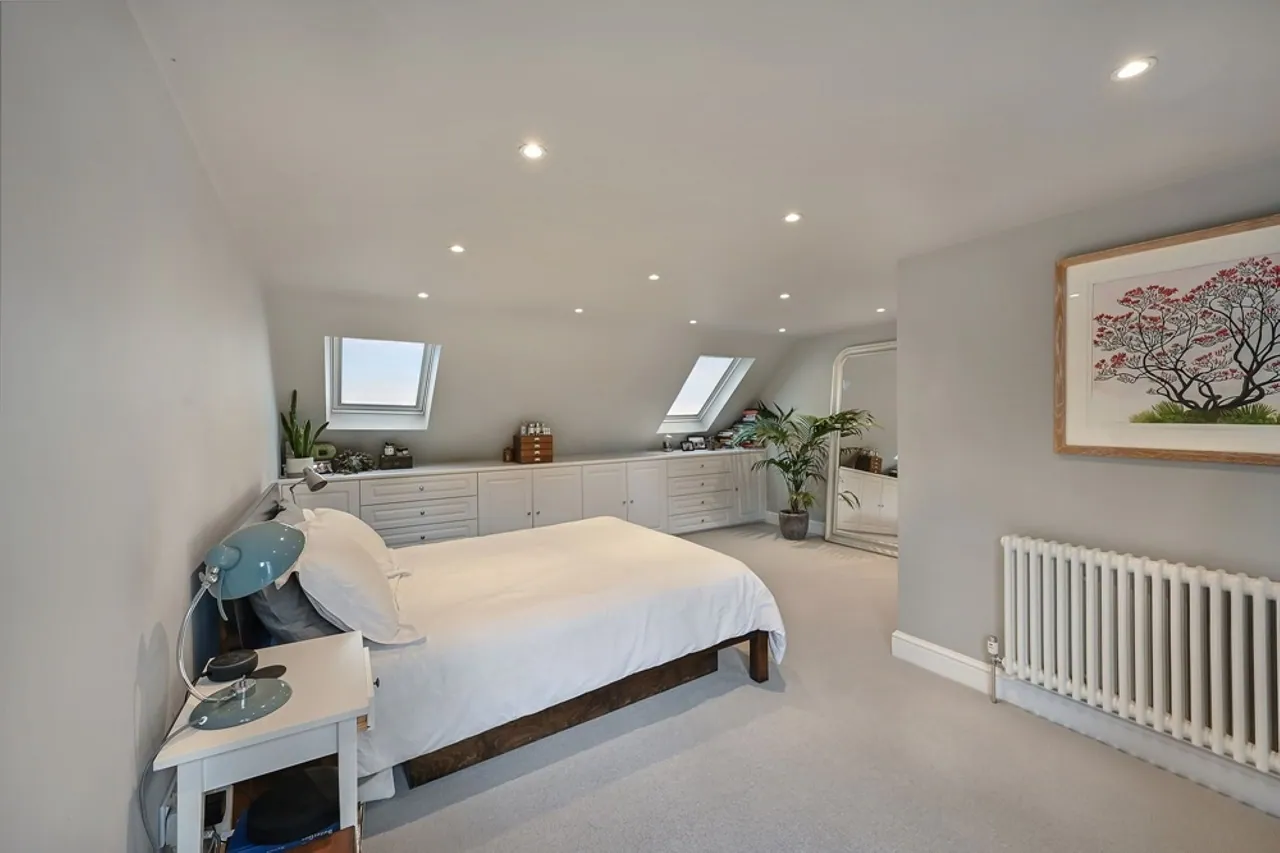
A compliant loft conversion increases usable square footage significantly. Additional bedrooms or workspaces boost appeal, particularly when building regulations approval, structural calculations, and fire safety documentation are available for inspection.
Energy Efficiency Improvements
Energy efficiency improvements raise EPC ratings, directly affecting affordability perceptions. Better insulation, double glazing, efficient boilers, and renewable systems attract cost-conscious buyers focused on long-term energy savings.
Renovations That Deliver Lower Returns
Some renovations improve comfort rather than property value. High-end finishes, bespoke layouts, and personalised features often fail to generate proportionate financial returns when selling.
Buyers rarely pay premiums for upgrades exceeding neighbourhood norms. Renovations should align with local expectations to avoid narrowing appeal or discouraging mortgage lenders during valuation checks.
Renovation Costs and Value Balance
Evaluating renovation success requires comparing renovation costs against realistic value uplift, not emotional satisfaction or promotional case studies showing exceptional outcomes.
Kitchen refurbishments may recover part of their cost, while extensions vary widely. Location, property type, buyer demand, and market timing strongly influence eventual financial results.
Renovation Impact by Property Type
Property type significantly affects renovation performance. Structural limits, buyer demographics, and pricing ceilings cause identical improvements to produce different property value outcomes.
Terraced Houses
Terraced properties benefit most from space-creating renovations. Loft conversions and layout optimisation outperform cosmetic upgrades due to restricted expansion options and strong demand for additional bedrooms.
Semi-Detached Houses
Semi-detached homes respond well to practical family-focused improvements. Buyers prioritise functional kitchens, storage solutions, energy upgrades, and flexible living spaces over luxury materials.
Detached Houses
Detached homes allow wider renovation scope. However, property value increases remain constrained by comparable local sales rather than renovation spending alone.
Flats and Apartments
Flats gain less from major renovations. Buyers focus on lease length, service charges, building condition, and management quality rather than interior upgrades alone.
How Market Conditions Influence Renovation Value
Property market conditions strongly influence renovation returns. Buyer demand, interest rates, and mortgage availability determine whether upgrades increase property value or simply maintain competitiveness within the local UK housing market.
In slower markets, buyers expect move-in-ready homes with compliant upgrades. During stronger markets, buyers tolerate imperfections, reducing the immediate financial impact of renovations on final sale prices.
Renovation Planning and Risk Management
Strategic renovation planning aligns upgrades with buyer demand, compliance requirements, and realistic pricing limits. Projects supported by documentation consistently outperform visually impressive but uncertified improvements.
Budget Planning
Realistic budgeting prevents overcapitalisation. Spending within neighbourhood ceilings improves return potential while protecting financial flexibility and avoiding reduced buyer interest during valuations.
Compliance and Certification
Building control approval, electrical certificates, gas safety records, and warranties reduce buyer uncertainty. Missing documentation frequently triggers renegotiation or delays during conveyancing.
Market Timing
Renovation impact varies with market cycles. Rising markets tolerate imperfections, while slower conditions reward compliant, move-in-ready homes with verified upgrades.
Buyer Psychology
Buyers respond emotionally to kitchens, bathrooms, and light-filled spaces. Structural quality matters, but confidence often shapes first impressions and initial valuation judgements.
What Renovations Mean for Property Value Outcomes
Home renovations increase property value when they align with buyer expectations, regulatory compliance, and neighbourhood pricing limits. Across UK markets, functional and efficient upgrades consistently outperform decorative-only changes.
From experience, LJH Construction Ltd knows the most successful renovations feel almost invisible because they meet expectations effortlessly. Are your renovation decisions driven purely by personal taste, or by evidence drawn from your local UK property market?